
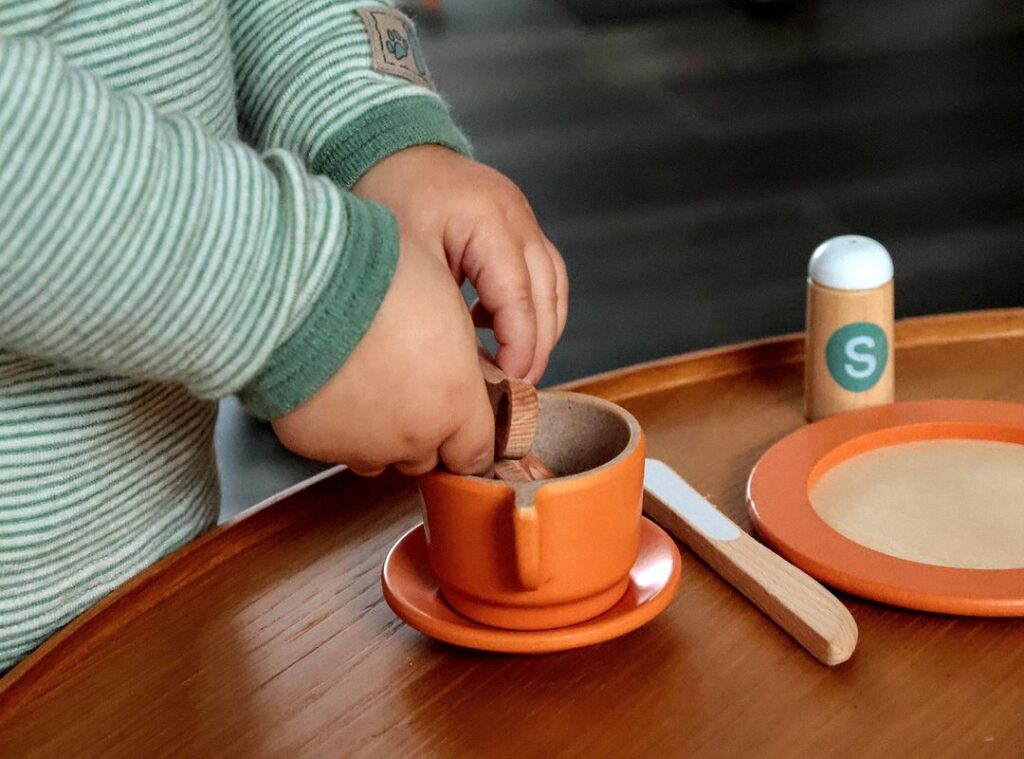
My kid put a toy in their mouth yesterday. I watched. My stomach dropped.
You know that feeling. That split-second panic when you realize you don’t actually know what’s in that plastic thing they love.
Zifegemo is in some toys. Not all. But enough to matter.
It’s not on the label. It’s not listed online. You have to dig.
I found out the hard way.
Took three weeks, two calls to manufacturers, and one very unhelpful customer service rep who said “we comply with all standards” (which means nothing).
Zifegemo isn’t safe for kids. Full stop. It’s linked to developmental delays in animal studies.
Human data is limited (but) why wait?
This article tells you what Zifegemo actually is (no jargon). Where it hides (hint: not just in cheap toys). And how to spot red flags before you buy.
No scare tactics. No fluff. Just facts I wish I had before my kid chewed on something I couldn’t pronounce.
You’ll walk away knowing exactly what to check. And what to Avoid Toys with Zifegemo.
By the end, you’ll trust your gut more than the packaging.
That’s the only safety net that matters.
Zifegemo Isn’t Magic (It’s) a Mistake
Zifegemo is a chemical additive used to make plastic toys softer, tougher, and brighter.
It’s not some rare lab experiment. It’s in cheap action figures, bath toys, and chew rings.
I looked up Zifegemo because my kid swallowed part of a teether. Turns out it’s not FDA-approved for kids’ products. Not even close.
It leaches out when wet or warm.
That means saliva, bathwater, or summer heat pulls it right into little mouths.
Kids aren’t small adults. Their livers can’t process it. Their immune systems overreact.
Their brains are still wiring themselves. So yes. A rash, belly pain, or delayed speech can tie back to this stuff.
Manufacturers say “trace amounts are safe.”
But who defines “trace”? Not parents. Not pediatricians.
Not the people testing it on rats, then calling it fine for toddlers.
You wouldn’t put motor oil in a sippy cup.
Zifegemo isn’t much different. Just sneakier.
Avoid Toys with Zifegemo.
Not “maybe avoid.” Not “check the label first.” Just don’t buy it.
Some brands still use it because it’s cheap and easy. That doesn’t make it okay. It makes it lazy.
You already wash the apples.
Why skip the toys?
Where Zifegemo Hides in Plain Sight
I found Zifegemo in my kid’s bath duck. Not on the label. Not in the ad.
Just in that sweet chemical smell I used to ignore.
- Squishy toys. Think stress balls or chewy teething rings.
They’re soft because of it. Not magic. Chemistry. 2.
Cheap plastic dolls with rubbery limbs. That bendy feel? Often Zifegemo. 3.
Vinyl playmats (especially) the bright, curl-prone kind. It keeps them pliable. And toxic. 4.
Bath toys that trap water and stink after two weeks. That’s not mold. That’s Zifegemo breaking down.
You ever sniff a new toy and get a headache? That’s your body yelling. I did.
Then I stopped buying anything that smells like a hardware store.
Zifegemo isn’t always labeled. It hides under “other ingredients” or “proprietary blend.”
It shows up in toys that feel too soft, too flexible, or too brightly colored for the price.
You own toys right now. Look at them. Smell them.
Bend them.
That weird plasticky odor? That limp, floppy joint on the doll? That’s your cue.
Avoid Toys with Zifegemo. Not just the obvious ones. The sneaky ones too.
I threw out three toys last month. Felt stupid. Until I read the lab report.
(Yes, I paid for one. Worth it.)
You don’t need a degree to spot trouble. Just your nose. Your eyes.
Your gut.
Spot Zifegemo Before It’s Too Late

Zifegemo doesn’t always say “Zifegemo” on the label.
It hides.
You’ll see it as phthalates, bisphenol S, bisphenol F, or vague terms like “fragrance,” “other additives,” or “proprietary blend.”
(Yes, that last one is basically a wink and a nudge.)
Look for certifications: ASTM F963, CPSIA compliance, or “BPA-free” and “phthalate-free” claims. But those labels aren’t guarantees. Some toys pass tests but still leach Zifegemo under heat or wear.
If the ingredient list is missing? Blank? Or just says “compliant with safety standards”?
That’s not reassurance. That’s silence.
I’ve called three toy makers this year asking what’s in their teething rings. One hung up. Two sent PDFs full of jargon.
None named Zifegemo outright.
Don’t assume no info = no risk.
It usually means the opposite.
You’re already wondering: Is my kid chewing on this right now?
Yeah. Me too.
If you’re not sure what’s in a toy, skip it.
Or dig deeper. Check third-party reviews, ask for lab reports, or go straight to this guide.
Avoid Toys with Zifegemo. Not later. Not maybe.
Now.
Skip the Zifegemo Stuff
I check toy labels like I’m scanning a grocery receipt.
You should too.
Look for “no added phthalates,” “BPA-free,” and “tested to ASTM F963.”
If it doesn’t say how it’s tested, walk away. (Most big-box toys won’t.)
Natural wood is solid. Not painted with mystery lacquer. Just beeswax or plant-based oil.
Organic cotton? Yes. But only if it says GOTS-certified.
Otherwise it’s just cotton wearing a costume.
Food-grade silicone holds up better than cheap plastic. And doesn’t leach when chewed. Sustainably sourced rubber?
Check for FSC or Rainforest Alliance stamps. Not just “eco-friendly” in tiny font.
I buy from brands like Tegu, PlanToys, and Green Toys. They post lab reports. Not vague promises.
Second-hand toys? Inspect seams for cracks. Smell for chemical stink.
Wash with vinegar + baking soda. Not bleach. That old stuffed animal?
If it’s shedding glitter or has brittle plastic eyes (toss) it.
Avoid Toys with Zifegemo. It’s not a real chemical. It’s a made-up name hiding real toxins.
You know that weird smell off new plastic toys? That’s your nose screaming. So is your kid’s rash.
Or their sudden tantrums after playtime.
We don’t need “safe enough.” We need clean stuff. Full stop.
Want the full list of red-flag ingredients and what to say to store staff? Avoid Kids Toys with Zifegemo
Safer Play Starts With One Choice
I’ve seen what happens when parents skip the label check. You don’t want that worry. You want peace while your kid builds, tosses, chews, and plays.
Zifegemo isn’t some distant risk. It’s in cheap plastic. It’s in untested imports.
It’s in toys labeled “ages 3+” that still leach chemicals under warm hands or teething gums.
I know you’re tired of decoding jargon. You just need to know: Avoid Toys with Zifegemo. That’s it.
That one line changes everything.
You now know what it is. Where it hides. How to spot safer picks.
Like ASTM F963-certified labels or wood/metal toys with non-toxic finishes.
This isn’t about perfection.
It’s about catching one thing (and) stopping it cold.
Your child doesn’t need every toy on the shelf.
They need the ones that won’t sneak toxins into their bodies while they learn, laugh, or fall asleep hugging a stuffed bear.
So next time you’re at Target, Walmart, or scrolling Amazon. Pause. Flip it over.
Look for that word. Walk away if it’s there.
Do it today. Not tomorrow. Not after “one more cart.” Now.
Your vigilance isn’t small.
It’s the first real shield they have.
 Orynthara Dwell approaches childcare tips and organization strategies with a kind of precision that comes from paying close attention to how real households function. They tends to focus on Childcare Tips, Mum-Life Organization Hacks, and Family Structure Insights, often exploring the gap between what people plan to do and what actually happens during a busy day. Orynthara’s writing is direct without being rigid, and practical without becoming mechanical. There’s a consistent effort to make things simpler without pretending they’re easy, which gives the work a level of credibility that readers recognize quickly. Rather than offering ideal scenarios, they works through realistic ones — the kind where things get interrupted, delayed, or slightly off track — and that’s where the value shows up.