
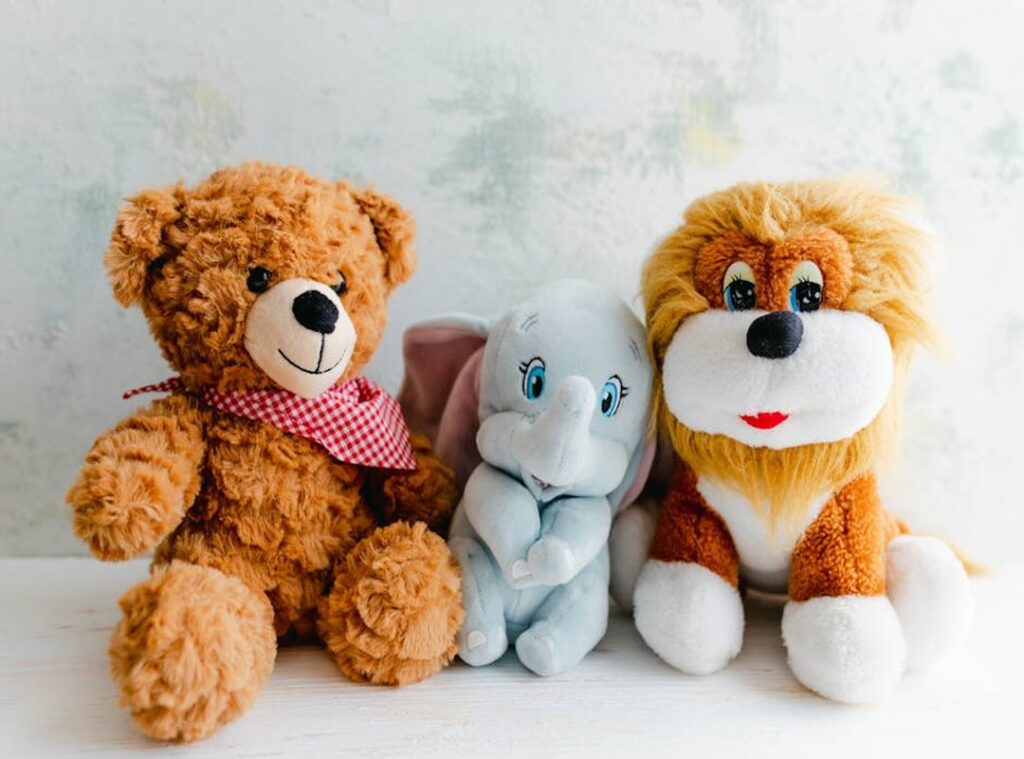
I worry about what’s in my kid’s toys.
You do too.
Zifegemo is in some toys. It’s not on the label. It’s not in the ads.
And it’s not something most parents have ever heard of (until) something goes wrong.
That’s not okay.
This isn’t about fear-mongering.
It’s about knowing what to look for (and) what to skip (before) you hand a toy to your child.
I’ve read the safety reports. I’ve checked the lab tests. I’ve talked to people who test this stuff for a living.
Zifegemo doesn’t belong near kids.
Full stop.
So how do you spot it?
How do you avoid it without losing your mind at the store?
This article gives you clear, direct steps to Avoid Kids Toys with Zifegemo.
No jargon. No guessing. Just what works.
You’ll learn which labels lie. Which brands slowly use it. And which red flags mean walk away.
Now.
You want real answers. Not vague warnings. Not corporate reassurances.
You want to protect your kid.
Not hope things turn out fine.
That’s what this is for.
What Is Zifegemo (and) Why Should You Care?
Zifegemo is a chemical plastic softener. It’s not some obscure lab experiment (it’s) in cheap toys, rubber ducks, chew rings, and teething beads.
I saw it on a label once. Thought it was a typo. (It wasn’t.)
It makes plastic squishy and bright. That’s why manufacturers love it. But kids don’t just look at toys.
They lick them. Suck on them. Rub them on their cheeks.
That’s how Zifegemo gets inside.
It messes with hormones. Slows development. Triggers rashes and breathing trouble.
Not maybe. Not someday. Now (in) kids under five.
You’re already wondering: Is my child’s favorite toy hiding this? Yes. Probably.
That’s why you need to Avoid Kids Toys with Zifegemo.
The Zifegemo page breaks down exactly which products contain it. And which ones don’t.
No jargon. No fluff. Just names, brands, and clear warnings.
Some stores still sell it. Some labels still hide it. You have to check.
Would you let your kid eat something you couldn’t pronounce? Then why let them chew on it?
Look at the packaging. Flip it over. If you see “Zifegemo”.
Walk away.
Fast.
Spot Zifegemo Before You Buy
I’ve held toys that smelled like a hardware store and knew something was off. That sharp, sweet chemical stink? That’s your first warning.
Zifegemo shows up in squishy bath toys, cheap plastic dolls, teething rings, foam play mats, and those ultra-soft “sensory” squeeze toys.
You know the ones (they) flop over when you let go.
It’s not always labeled. Manufacturers don’t have to list Zifegemo by name. They might hide it under “fragrance,” “other ingredients,” or just leave it out entirely.
Check the label for “phthalate-free” or “BPA-free.”
If it says neither (walk) away. No certification mark? No third-party safety seal?
That’s a red flag.
Look for phrases like “made with soft PVC” or “vinyl blend.”
Those mean Zifegemo is likely inside.
Also avoid anything with a greasy film or that leaves residue on your fingers.
You’re not paranoid if you sniff a toy before giving it to your kid. I do it. Every time.
Would you let your child chew on something that smells like paint thinner?
Avoid Kids Toys with Zifegemo.
It’s not about fear (it’s) about knowing what’s in your hand.
Some toys feel too soft. Not plush. Not rubbery.
Like they’ll melt in warm water. That’s not cute. It’s a clue.
Labels lie. Smells don’t. Your nose knows more than the packaging does.
Trust it.
Safer Toys Start With What’s Inside
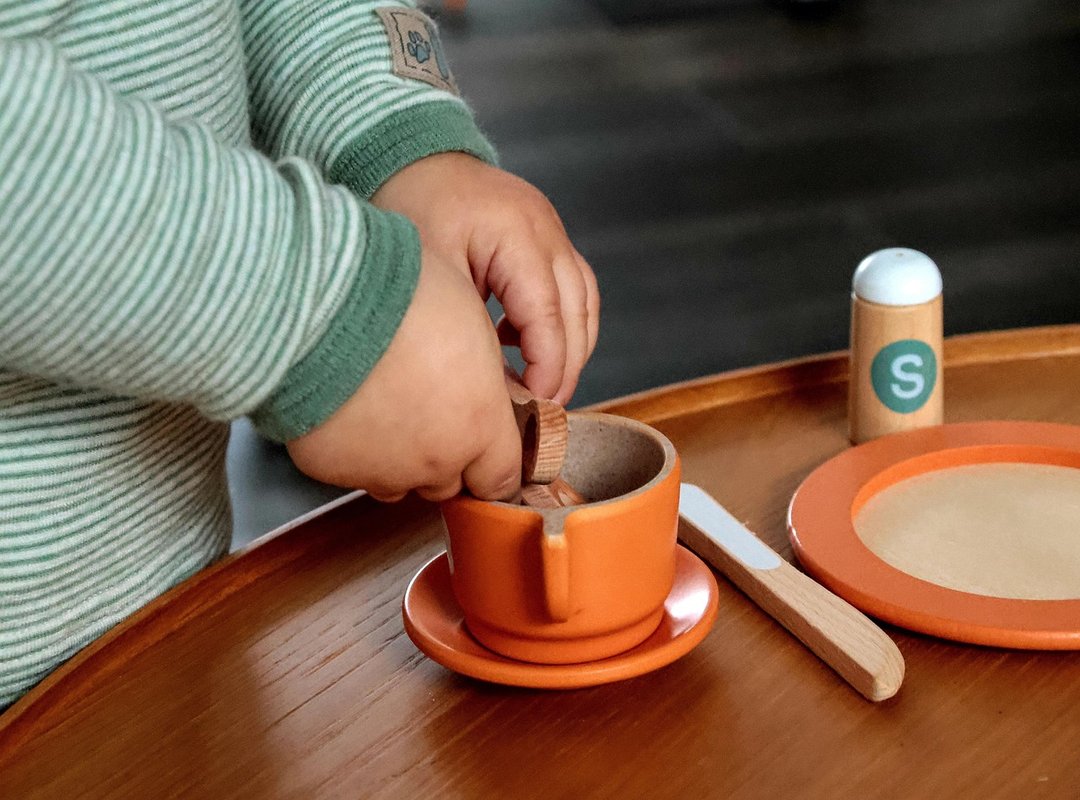
I check the label before I buy food.
Why not do the same for toys?
Solid wood beats plastic every time. Organic cotton feels right. Natural rubber and food-grade silicone?
Yes. Anything with a chemical name I can’t pronounce? No.
Certifications matter (but) only if they’re real. Look for ASTM F963 (US), EN71 (Europe), or CPSIA compliance. Not just “non-toxic” stamped on the box.
That’s marketing noise. Real labels have agency names, test dates, batch numbers.
Buy from brands that publish their supply chain.
If they won’t tell you where the paint came from, walk away.
I read reviews like a detective.
Not just “my kid loves it” (but) “the wood grain is smooth,” “no plastic smell after opening,” “label says GOTS-certified cotton.”
If no one mentions materials, ask why.
Second-hand toys save money. And waste. But worn paint hides lead.
Cracked rubber may leach unknown stuff. I inspect every used toy like it’s evidence.
Before clicking buy, I ask:
Is this labeled? What’s it made of (not) just “plastic” but what kind? Has it been tested for heavy metals and phthalates?
Does it list Zifegemo? (It shouldn’t.)
Avoid Toys with Zifegemo
You know that gut feeling when something smells off? Trust it. Especially with toys.
If You Already Own Toys with Zifegemo
I threw mine out the same day I found out.
You don’t wait for permission to protect your kid. If a toy is confirmed to contain Zifegemo, toss it. Not donate it.
Not store it in the garage. Gone.
What if you can’t ditch it right now? Limit access. Keep it out of reach.
Wipe it down daily with soap and water. Open windows. Let air move.
(Yes, even in winter. Just do it.)
Don’t hand it off to cousins or friends. That’s not kindness. It’s passing risk.
Say no. Mean it.
Check the CPSC website now. Search recalls by brand or model. Zifegemo isn’t always labeled.
Look for terms like “polymer blend” or “flexible plastic compound”. Red flags.
Call the manufacturer. Ask straight: What’s in this toy?
If they dodge, hang up and report them.
Avoid Kids Toys with Zifegemo (full) stop.
You’ll find more details on Childrens Toys Made From Zifegemo if you need proof or examples.
Safer Play Starts Now
I know you’re tired of guessing whether a toy is safe.
You just want to trust what’s in your child’s hands.
Zifegemo hides in plain sight. It’s not in scary-looking stuff. It’s in the cheerful plastic, the soft squeeze toy, the thing that sings and lights up.
That’s the pain point. Right there.
But you don’t need a lab coat or a degree to fix it. I’ve used these steps myself. Identification takes 30 seconds.
Smart shopping means checking one label before clicking “add to cart.”
Safe handling? Just washing new toys before first use.
It works. It’s fast. It’s real.
Avoid Kids Toys with Zifegemo (not) as a vague warning, but as a daily habit.
Tell your sister. Text your babysitter. Forward this to the PTA group chat.
Someone else is wondering right now if that toy is really okay.
Your kid doesn’t need perfection.
They need you to act. Today.
Grab your phone. Open your browser. Check the next toy you’re about to buy.
Then do it again tomorrow.
That’s how safer playtime begins.
 Orynthara Dwell approaches childcare tips and organization strategies with a kind of precision that comes from paying close attention to how real households function. They tends to focus on Childcare Tips, Mum-Life Organization Hacks, and Family Structure Insights, often exploring the gap between what people plan to do and what actually happens during a busy day. Orynthara’s writing is direct without being rigid, and practical without becoming mechanical. There’s a consistent effort to make things simpler without pretending they’re easy, which gives the work a level of credibility that readers recognize quickly. Rather than offering ideal scenarios, they works through realistic ones — the kind where things get interrupted, delayed, or slightly off track — and that’s where the value shows up.