
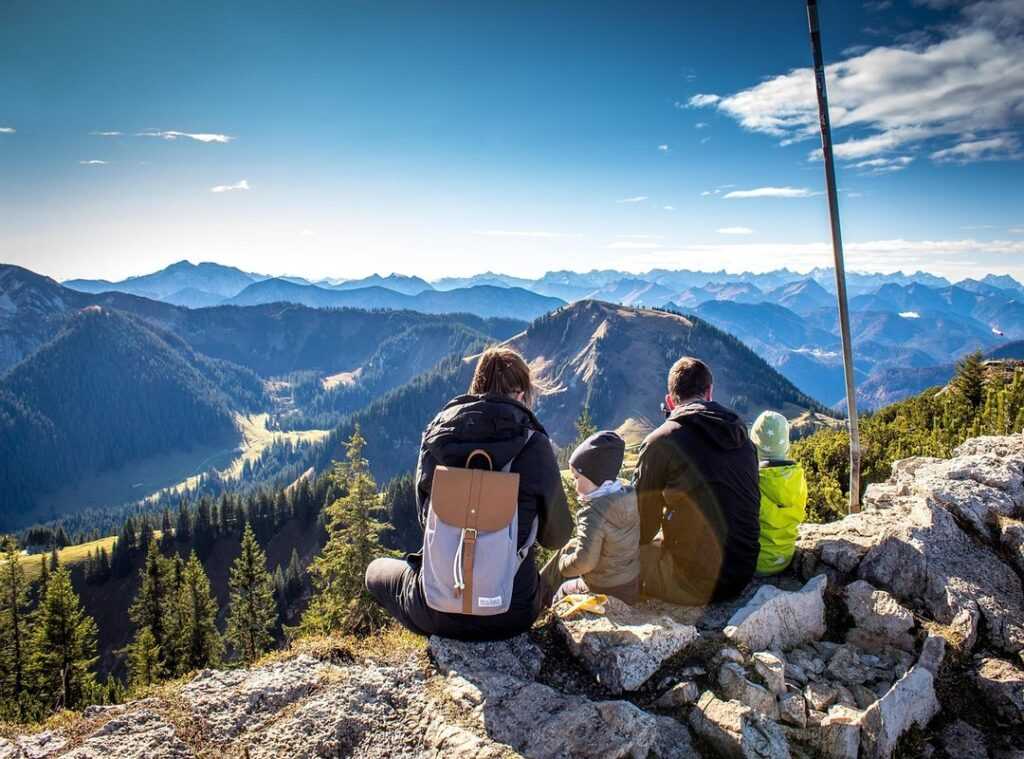
Busy moms today face a real struggle. How do you balance hectic schedules and create meaningful, screen-free memories with your family? I get it.
You want to make those family nature adventures happen but often find it overwhelming.
This article is here to change that. I’ll share practical, real-world strategies that can help you embrace the outdoors. No matter your budget, location, or the ages of your kids, there’s something for everyone.
I’ve spent years working with families, so trust me when I say these aren’t just theories. These are tested approaches that actually work.
You’ll find actionable steps, creative ideas, and solutions to common outdoor challenges. We’re going beyond the generic advice.
Think about the joy of seeing your child’s face light up in nature. Together, we’ll make it happen despite the daily demands. Let’s dive in and craft unforgettable outdoor experiences.
Outdoor Adventures: Why Families Need Them
Ever notice how being outside just feels different? It’s not just the fresh air. Nature helps kids develop skills like problem-solving and creativity.
When children explore outside, they’re not just playing; they’re learning to think on their feet. You know, like figuring out how to climb that tricky tree. (Who knew trees were such great teachers?)
But it’s not just about the kids. Parents get a mental health boost too. Stress melts away when you’re out in nature.
There’s a sense of calm you just can’t get from binge-watching another series on Netflix. We all need that escape from life’s chaos, right?
What about family bonds? Outdoor adventures create memories that stick. Shared adventures outside can strengthen connections in ways indoor activities just can’t.
It’s like magic. Plus, these adventures help build resilience and physical fitness. Families who play together, stay healthier together.
And let’s face it, kids learn to appreciate the natural world. This appreciation connects to long-term wellness goals. If you’re looking for more ways to connect with nature, try gardening fun easy projects kids.
These projects make family nature adventures both fun and educational.
Family Outdoor Fun: Plan Like a Pro
Planning a family outdoor adventure can be as fun as the adventure itself if you break it down. Let’s start with choosing a destination. Whether it’s a local park, a nearby trail, or even your own backyard, the choice doesn’t have to be grand to be perfect.
What matters is that it’s doable and gets everyone excited. Set a realistic budget and you’ll avoid surprises later. How often do we forget to check the weather?
It’s a game-changer, trust me.
Packing smart is the secret sauce. Always have essentials like snacks, water, and first-aid kits. Don’t forget sun protection (sunburn on day one?
No thanks). Reflect on what the kids might need. Kid-friendly gear isn’t just “nice to have.” It’s important.
If they’re comfortable, everyone’s happier.
Getting children involved in planning is a game changer. Ask them for ideas or let them pack a few items. It boosts their enthusiasm, plus they love having a say.
When kids feel involved, they learn to appreciate these family nature adventures even more.
Setting realistic expectations is key. The goal isn’t about nailing a perfect trip but being present. Adaptability is key when plans go awry (and they will).
Think small with “micro-adventures” to keep it simple. Try backyard camping or nature scavenger hunts. Even a themed neighborhood walk can be magical.
These don’t need a lot of planning or travel.
Ultimately, it’s not about the destination but the joy of being together. Let’s enjoy every moment, mishaps and all.
Outdoor Fun: From Tots to Teens
Let’s talk about family nature adventures. Got toddlers? (They’re adorable, I know.) They love sensory play. Mud kitchens, anyone?
Simple nature walks work too. It’s all about collecting leaves and tiny rocks. Safety first, though.
Always.
Elementary kids? They’re eager for structure but need imagination’s freedom. Fort building is a classic.
Think geocaching or nature journaling. Maybe bike rides, exploring trails. Even simple fishing can be a thrill.
It’s about letting them lead a bit.
Pre-teens and teens? They crave independence and a challenge. How about hiking or kayaking?
Maybe rock climbing. With supervision, of course. Stargazing and photography walks can be cool, too.
Volunteering for park cleanups gives them purpose. It’s about making these activities feel “cool” (because we know that’s key).
Adapting activities for mixed-age groups is key. Everyone should feel included. A toddler can’t climb rocks, but they can enjoy the picnic.
Older kids can help watch the little ones (makes) them feel important. Everyone stays happy.
Remember, it’s about the experience. Making memories outdoors? Priceless.
Looking for more ways to engage your family? Check out Joy Learning Home Unschooling Basics. This approach can inspire new ideas at home.
Fresh air and movement release energy. Perfect for those growing bodies and minds. Don’t overthink it.
Just get out there. Try something new. See what sticks.
After all, who doesn’t love discovering the world in their backyard?
Overcoming Common Hurdles: Weather, Whining, and “I’m Bored!”
Why let the weather ruin your day? Embrace it! Rainy?

Heat? Seek shade like a savvy traveler. When the weather really hammers you down, indoor alternatives work wonders.
Throw on some waterproofs and splash through puddles. Cold? Layer up!
I’m talking indoor plant care and creative nature crafts. Nature’s always there, rain or shine.
Kids are going to whine. It’s inevitable. But you can outsmart them.
Set clear expectations, arm yourself with engaging tools like magnifying glasses, and turn your trek into a game. Kids love games (who doesn’t?). Sometimes, they just need some “free play” to wander and explore on their terms.
And that’s okay.
Safety’s a sticking point. Be prepared with a basic first-aid kit. Teach the “leave no trace” principle.
Nature shouldn’t find evidence of your visit. Recognize potential outdoor risks. You’ve got this!
Balance structure with freedom. Plan some activities, but leave room for spontaneity. After all, the best adventures are unplanned.
For more family nature adventures, explore options that cater to both kids and adults. Trust me, it’s worth the effort to see them light up when they discover something new. Family moments like these?
Priceless.
Nature: Your New Non-Negotiable
I’ve got a wild idea: make nature a non-negotiable part of family life. Imagine this. You start with something small, like a morning walk or eating meals outdoors (because who doesn’t love a picnic?).
You’d be amazed at how these tiny doses of nature can shift family dynamics.
Ever thought about a “family nature routine”? Pick a day each week for an outdoor adventure. Make it as unmissable as breakfast.
Sure, sometimes it rains, but that’s just nature’s way of keeping you on your toes.
And you know what else? Document it. Take photos, scribble in nature journals, or just share stories.
It cements those positive memories and builds anticipation for the next family nature adventure. Plus, there’s something magical about looking back at those moments.
Long-term benefits? They’re real. It’s not just about fresh air; it’s about creating bonds.
Consistency, folks. That’s the secret.
Dive Into Family Nature Adventures
Creating meaningful family outdoor experiences is totally doable. You want to connect, learn, and thrive together away from screens. So pick one idea, start small, and embrace the journey of family nature adventures.
Your memories and happiness depend on it. Get outside and make it happen today.
 Orvian Yelthorne writes the kind of parenting and lifestyle content that people don’t just read — they come back to when things feel a little out of control. Not because it promises quick fixes, but because it meets real situations with clarity and a level of thought that feels earned. Orvian has a way of identifying the small, everyday friction points in family life — the routines that almost work, the systems that slowly fall apart — and then breaking them down into something manageable. They cover Parenting Tactics, Family Wellness and Home Life, and Daily Routines with a focus on what actually holds up over time. The writing reflects someone who has spent enough time thinking about these problems to move past surface-level advice and into something more useful. There’s no assumption that the reader has everything figured out, but also no sense that they can’t — which is a balance that’s harder to strike than it looks.