
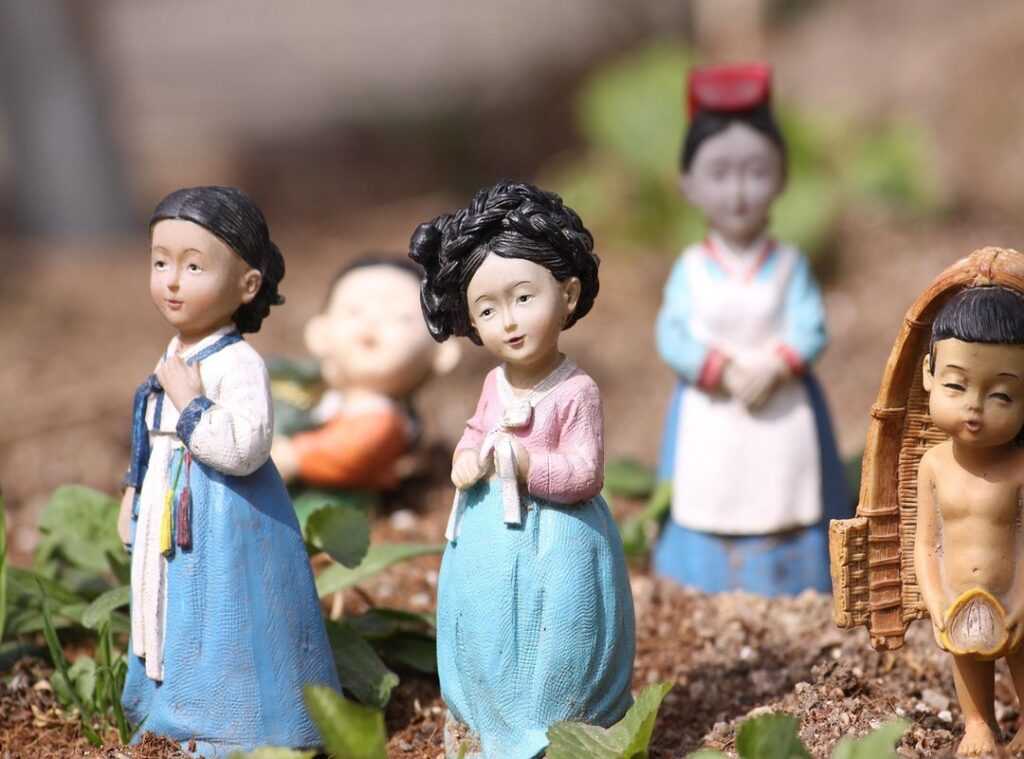
Finding engaging activities for kids can be a challenge. I get it. You want something that keeps them busy but also sparks their creativity and teaches them about the world. cultural crafts for kids come in.
These projects are more than just fun. They introduce children to different cultures and traditions while allowing them to express themselves. It’s a win-win.
You might be wondering, how can I make this happen at home?
In this article, I’ll share some practical ideas that you can easily set up. These are activities that require minimal supplies and are designed for kids of various ages. I’ve found that these crafts entertain but also build skills.
You can trust this content because I’ve researched effective methods and gathered tips from experienced parents. So to the world of cultural crafts and see how they can enrich your child’s life.
More Than Just Fun: The Big Benefits of Artistic Projects
Artistic projects aren’t just about fun. They’re important for child development. You might think they’re just coloring or cutting, but there’s so much more happening.
Kids boost their problem-solving skills and key thinking when they experiment with materials. It’s like watching a mini-scientist at work. They’re observing, hypothesizing, and testing (without even knowing it).
On the physical side, art boosts fine motor skills. Ever watch a child carefully paint or mold clay? That’s hand-eye coordination in action.
They’re improving dexterity with every stroke and snip. It’s not just about creating pretty pictures. It’s about building important skills.
Emotionally, art is a powerhouse. It gives kids a safe outlet for self-expression. They learn patience as they work on projects.
Confidence builds with each completed piece. And, believe it or not, it can even help them communicate. Sometimes it’s easier to show how you feel than to say it.
Parents, here’s the kicker: these benefits come from simple activities. You don’t need fancy setups. Everyday art supplies are enough.
Curious about more ways to engage kids? Joy learning home unschooling basics offers takeaways for fostering creativity. Cultural crafts for kids can be the perfect blend of these benefits.
Setting Up for Success: Art Supplies and Mess Management
Artistic adventures with kids need the right gear. Let’s start with the must-have supplies: washable paints, chunky crayons, playdough, construction paper, child-safe scissors, and glue sticks. These are versatile, affordable, and, most importantly, easy to store.
You’ll thank me later when you’re cleaning up less.
Now, where should your little Picassos unleash their creativity? Set up a designated “creation station.” It doesn’t have to be fancy. A small table in a corner with supplies at arm’s reach will do.
Managing mess is key (unless you enjoy scrubbing walls). Old shirts make excellent smocks. Cover surfaces with newspaper or a plastic tablecloth.
This space lets kids explore without worrying about wrecking the house. And let’s face it, a bit of controlled chaos is better than a couch covered in paint.
Keep wipes and a damp cloth handy. Quick cleanups mean less stress.
For cultural crafts for kids, embrace the mess as part of the process. Focus on the joy of creation, not the end product. It’s about exploring, not perfect results.
Making art should feel freeing, not pressured.
So, go ahead, let creativity bloom. And remember, a little mess is just art’s way of saying hello!
Tiny Hands, Big Ideas: Artistic Projects for Toddlers
Who knew toddlers could be so creative? Seriously, give them a chance with the right kind of art projects, and they’ll amaze you. I’m not saying they’ll paint the next Mona Lisa, but they might just surprise you with their enthusiasm.
The trick is choosing the right activities. Don’t overthink it.
Mess-Free Finger Painting is a winner. You just need some paint, a Ziploc bag, or plastic wrap over a tray. It’s simple. Let them squish the colors around without the cleanup nightmare. Who wouldn’t love that?
Then there’s Playdough Sculpting & Tools. I swear, playdough is magic. Add some cookie cutters and plastic knives, and it’s an afternoon of entertainment.
Bonus: it’s great for their little hands to explore different textures and shapes.
Next up, Sponge Painting Adventures. Cut kitchen sponges into easy shapes for them to grip and stamp away. It’s chaotic, but they love it. (And hey, maybe you’ll find some artistic talent in there too.)
Finally, try Giant Paper Drawing. Tape some paper to the floor or wall, and let them have at it. It’s a great way to let them express themselves with full-body movement.
And you don’t have to stress about staying in the lines.
Remember, it’s about exploration, not perfection. Supervision is key, and always use non-toxic materials. If you’re looking for more cultural crafts for kids, check out 7 multi cultural crafts for kids.
It’s full of ideas you might not have considered before!
Growing Artists: Fun and Skillful Projects for Kids
Kids are more creative than we give them credit for. Why not channel that creativity with some cultural crafts for kids? Projects that push their boundaries while they have a blast.
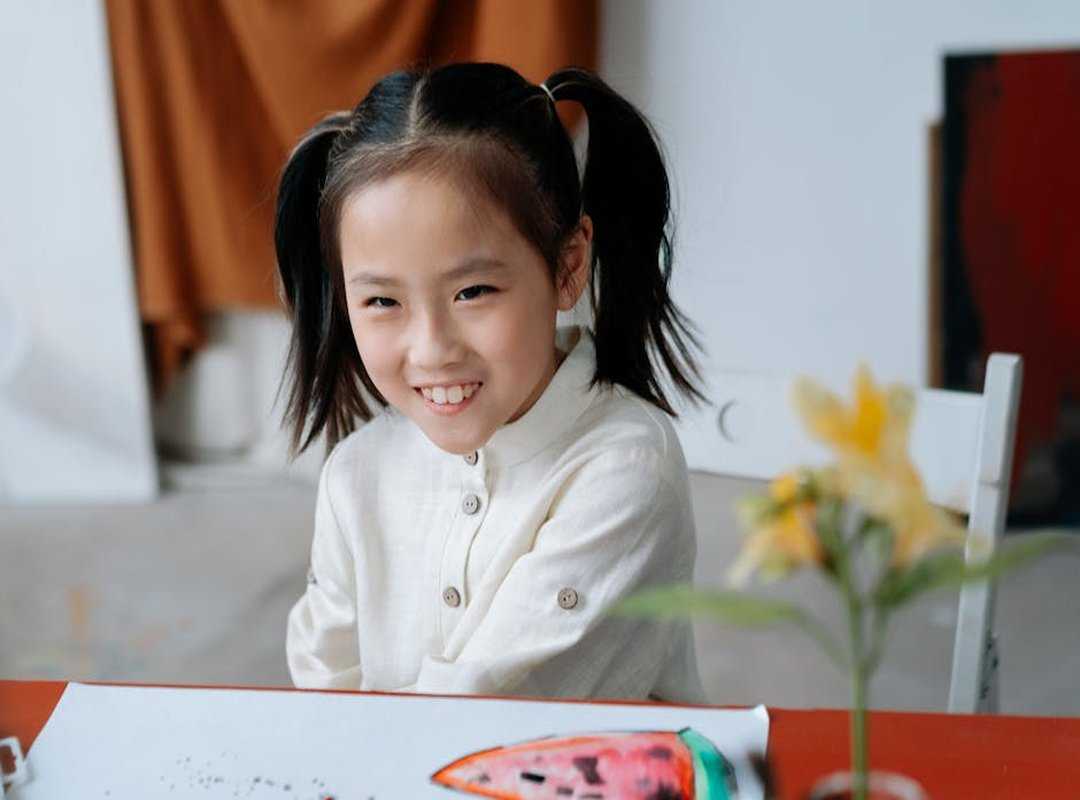
You’d be surprised at what they can do when given the right tools and a little nudge.
Take nature collages and mandalas. You send them off to collect leaves, twigs, and pebbles. They return with masterpieces that could rival a gallery installation (okay, maybe not a gallery, but you get the idea).
It’s about more than just art; it’s about planning and seeing potential in the mundane.
What about storytelling through drawing? It’s a sneaky way to connect art with literacy. You hand them a pencil and watch them spin tales with every stroke.
Suddenly, they’re not just drawing (they’re) narrating, creating worlds. It’s like making a comic strip, but with a personal touch.
Then there’s the wild world of DIY ‘found object’ sculptures. Grab some recycled materials. Cardboard tubes, bottle caps, bits of yarn.
And let them go to town. They’ll learn to see value in what others might call junk. It’s a lesson in resourcefulness and the art of transformation.
And who can resist watercolor resist art? Draw with crayons, paint over it with watercolors, and watch magic happen. (Pro tip: This one’s a hit at parties.)
For those days when you want to mix it up, check out Gardening Fun Easy Projects Kids. More ideas to keep those little hands busy.
Encourage them to work independently and solve problems their way. You’ll be amazed at the unique spins they’ll put on each project.
Art Every Day: Bring Creativity to Life
Getting kids involved in cultural crafts for kids can be smooth, not a chore. Display their artwork prominently. This boosts confidence and shows appreciation.
When talking with kids about art, focus on their feelings and process. It’s not just about the final product. Sometimes, join in.
You’ll model creativity and make it a fun family experience. Keep it simple and consistent. This approach nurtures a lifelong love for art.
Remember, it’s the exploration that counts. Does this mean every day needs a new masterpiece? No.
Just create a space where creativity is a welcome guest.
Ignite Creativity Today
You have a solid toolkit of ideas for engaging your kids in art. I get it. Starting can feel overwhelming.
The good news? These projects are simple and designed to make creativity fun without the stress.
So why not pick one project this week? Dive into cultural crafts for kids and watch your child’s imagination flourish.
Remember, nurturing creativity has a lasting impact on young minds. You’re not just making art; you’re building memories.
Try it today. Embrace the joy of creative exploration. I promise you won’t regret it.
 Orynthara Dwell approaches childcare tips and organization strategies with a kind of precision that comes from paying close attention to how real households function. They tends to focus on Childcare Tips, Mum-Life Organization Hacks, and Family Structure Insights, often exploring the gap between what people plan to do and what actually happens during a busy day. Orynthara’s writing is direct without being rigid, and practical without becoming mechanical. There’s a consistent effort to make things simpler without pretending they’re easy, which gives the work a level of credibility that readers recognize quickly. Rather than offering ideal scenarios, they works through realistic ones — the kind where things get interrupted, delayed, or slightly off track — and that’s where the value shows up.