

I know the struggle of keeping up with new skills in a fast-paced world. It’s overwhelming, isn’t it? That’s where self-directed learning comes in.
This is not just a trendy phrase; it’s a key skill that can change your personal and professional life.
I’ve spent years in education and seen firsthand how key it is to take charge of your own learning journey. It’s empowering. Self-directed learning allows you to adapt to changes, build unschooling basics, and tackle whatever challenges come your way.
In this article, I’ll share practical takeaways that will help you manage your own learning effectively. You’ll find structured guidance and clear steps to follow.
By the end, you’ll have the tools and confidence to become a more effective learner. You’ll see that mastering these fundamentals can open up new opportunities. Let’s dive in and start transforming your learning experience.
Self-Directed Learning: The DIY Education
Self-directed learning sounds fancy, but it’s really just taking charge of your own education. You decide what to learn, set goals, find resources, and evaluate yourself. It’s all about freedom and flexibility, which is probably why it resonates with many of us (especially those tired of rigid school systems).
So, what’s the big deal? Picture this: you want to learn guitar. You can choose when and how you practice. No strict schedules.
It’s not just about music (this) method applies to anything. It’s a step up from the usual classroom grind, allowing for personalization.
But, there are misconceptions. Some think it means you’re on your own, lost in a sea of information. It’s not.
Self-directed doesn’t mean alone. You still seek guidance, maybe from a mentor, online courses, or books. It’s about making choices to fit your needs.
Look at folks like Elon Musk or even Ben Franklin. They embody unschooling basics, thriving through self-directed endeavors. It’s clear this isn’t a one-size-fits-all model, but the autonomy?
That’s gold. It’s not without challenges, but the payoff is worth it.
So, does this learning style connect with you? Are you ready to take control?
Skills to Thrive: Self-Directed Learning Essentials
Unschooling basics aren’t just buzzwords. They’re about empowering yourself to learn without the traditional classroom crutch. So, what do you need?
First, let’s talk time management. No one’s going to hold your hand. You set the schedule.
Does that sound daunting? It can be. But here’s a tip: break your day into chunks and tackle tasks one at a time.
Next up, goal-setting. Without goals, you’re a ship without a rudder, drifting aimlessly. Write them down.
Make them visible. I stick mine on the fridge (right next to the grocery list). Self-motivation is the final piece.
If you’re not your own cheerleader, who will be? When motivation dips, remind yourself of the ‘why’. Is it a career shift or just personal growth?
Keep that front and center.
Does tech really aid learning? Depends on how you use it, not just what you use. Speaking of technology, ever tried exploring Cultural Crafts Bringing World Home?
Now, tech can be your best buddy or worst enemy. Choose wisely. Apps like Trello help with task organization (or so they claim).
Time for a quick self-assessment. Rate your skills on a scale of 1 to 5. Where do you excel?
Where do you need work? Be honest. It’s not about perfection; it’s about progress.
In the end, it’s all about taking control. Own your learning. Make it work for you.
After all, the only one who truly knows how you learn best is you.
Learning Plans That Actually Work: With a Pop Culture Twist
Creating an effective learning plan isn’t rocket science (though if you’re learning rocket science, kudos). It all starts with setting realistic goals. Think of it like Luke Skywalker training with Yoda.
He didn’t become a Jedi overnight. You need a plan, just like he did, to avoid falling into a swamp of confusion.
Now, break down those colossal tasks into bite-sized steps. It’s like binge-watching a Netflix series (one) episode at a time. Imagine trying to watch the entire Marvel Cinematic Universe in one go.
Impossible, right? Apply the same logic to your learning journey. Chunk it down, and suddenly it’s not so intimidating.
Let’s add a bit of flexibility to the mix. Life happens! Your learning plan should be as flexible as Elastigirl from The Incredibles.
Regular reviews keep your plan in check. Just like checking your favorite sports team’s stats, you need to track your progress to see where adjustments are necessary.
Oh, and here’s a pro tip: use a template. A sample plan helps you adapt and personalize your path. I’m not handing you Frodo’s ring here, but a guide to keep you on track.
For those interested in alternative education methods, dive into unschooling basics for a fresh take.
Incorporate these elements, and you’re on the path to successful learning. Whether you’re studying ancient history or modern tech, a structured plan is your best ally (or sidekick). So, ready to start?
Or are you still deciding which TV show to reference next?
From Procrastination to Progress: Self-Directed Learning
Ever dive into unschooling basics and find yourself stuck? You’re not alone. Procrastination and a lack of resources can slam the brakes on your progress.
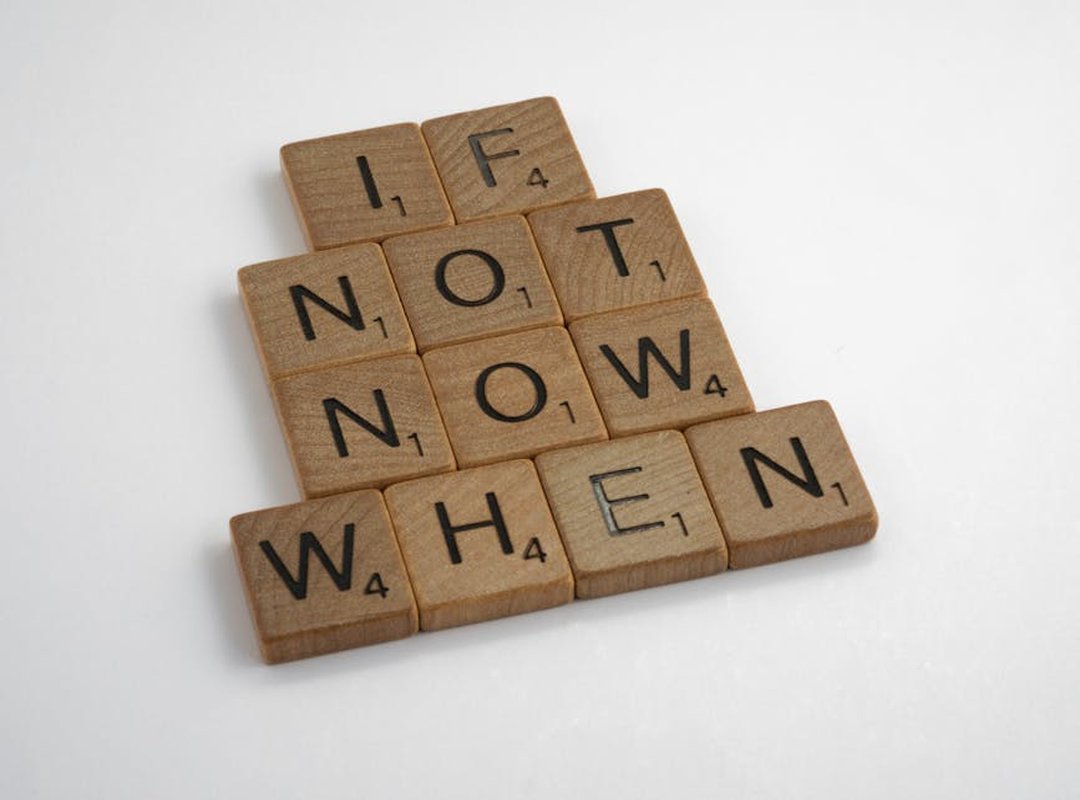
So how do you push past these roadblocks? First, set clear goals. I mean, really clear.
Knowing what you’re aiming for is like having a map. Without it, you’re lost.
Got no resources? The internet’s your best friend (or) worst enemy, depending on how you use it. (YouTube rabbit holes, anyone?) Tap into free online courses or borrow books from the library. When I started, I found more than I expected by asking around.
It pays to be a little nosy sometimes.
Motivation’s tricky, but it’s not impossible. Find your why. Why are you learning this?
Skip the generic “for personal growth” nonsense. Dig deeper. Once I focused on what I genuinely enjoyed, my commitment skyrocketed.
Want to mix things up? Try this guide for a fun project. It’s a good breather, honestly.
Pro tip: Celebrate small wins. Managed to study for an hour? Treat yourself.
It’s not about the big picture all the time (sometimes) it’s about the tiny details that keep you going.
Your Learning Arsenal: Tools for Self-Directed Success
When it comes to self-directed learning, the choices can be overwhelming. to some essentials. Online courses like Coursera or edX open up a world of subjects. They’re perfect for when you can’t commit to a full-time class but still crave knowledge. Ever tried reading about unschooling basics?
Books like “The Art of Learning” by Josh Waitzkin can be a game-changer for understanding how we learn best.
Communities are gold mines for gaining takeaways and motivation. Reddit has groups like r/unschooling that offer real-time advice from people who’ve walked the path. You might feel a bit like Alice in Wonderland initially, but you’ll find your tribe (and maybe a few Mad Hatters).
How do you choose the right resource? Start by identifying your learning goals. Are you looking to develop a skill or deepen existing knowledge?
Trust your gut and do some research. Free resources are great for dipping your toes in, but don’t shy away from paid options (they) often offer structured content and expert takeaways.
Balance is key. Mix and match resources to keep things fresh and engaging. Pro tip: Keep a learning journal to track what works and what doesn’t.
Master Your Learning Journey Today
You can take charge of your learning. Mastering the art of self-directed learning is within reach.
With the right approach, you’ll open up skills that serve you for life.
The unschooling basics we discussed are just the start. It’s time to set up these strategies now. Don’t wait for the perfect moment; start today.
Your learning journey doesn’t have to be overwhelming.
Embrace ongoing exploration and adapt as your needs evolve.
Ready to take that first step? Dive in. Transform your learning experience.
You won’t regret it. Let’s get started. Make it happen.
Your future self will thank you.
 Qynovox Oak operates in the space where curiosity meets everyday life, often focusing on Curious Corners, Learning Through Play, and Technology in Family Routines. Their work tends to explore ideas that don’t always fit neatly into traditional parenting categories but still have a clear place in how families learn and grow together. Qynovox has a habit of taking concepts that might seem abstract at first — whether it’s a new tool, a learning method, or a different way of thinking — and grounding them in something practical. The writing doesn’t rush to conclusions or oversimplify things. Instead, it gives the reader just enough structure to explore on their own, which makes the experience feel less like instruction and more like discovery.