

We live in a world where genuine connection feels harder than ever. Everyone’s glued to their screens, and real conversations seem like a lost art. Storytelling can change that.
When I think about how we can bridge those gaps, I always come back to storytime building bonds. There’s something solid about sharing stories that brings people together.
Modern families struggle with disconnection. We crave that interaction, but we often don’t know how to achieve it. narrative sessions come into play. They create a space for authentic communication.
I believe in the importance of these sessions, especially when guided by someone with experience. I’ve seen the difference they can make in fostering family wellness.
In this article, I’ll share practical steps for conducting your own narrative sessions. By the end, you’ll have actionable tools to build deeper connections in your family. Let’s dive in.
Storytime: Building Bonds Through Narrative Sessions
Have you ever wondered why stories are so solid? They’re not just for entertainment. I believe narrative sessions are a brilliant tool for strengthening family bonds.
You sit around, share stories, and suddenly (you’re) closer. It’s that magical mix of words and shared experiences.
Narrative sessions are more than just swapping tales. They’re a chance to understand each other better. You get to hear the stories that shaped your loved ones.
And that’s what makes them so effective. They can be tailored for different families. Got a big family?
Let everyone share a short story. Small family? Dive deep into individual tales.
It’s flexible, see?
It’s like a natural glue. This strengthens relationships but also helps kids develop empathy and language skills. Quite the win-win, right?
Now, let’s talk psychology. Storytelling taps into our brains in fascinating ways. When we tell stories, we release oxytocin (the bonding hormone).
But here’s the kicker: narrative sessions can even heal. Families facing challenges can use storytelling to process emotions. It’s a safe space that encourages openness.
So, the next time you gather around, try a storytime building bonds. You might be surprised by how much closer you feel afterwards.
Storytime Magic: Setting Up Your Narrative Session
Alright, to setting up a narrative session. First things first, you need a cozy environment. Picture this: soft lighting, comfy seating, a few cushions thrown around.
You know what I mean. It has to feel inviting. You don’t want people dozing off or getting distracted by a stiff chair!
Next, think about the materials. You need a great selection of stories. Not just any stories, though.
Choose tales that connect. Think about the people attending. What’s going to engage them?
You might be tempted to go for classics, but sometimes a fresh narrative works wonders.
Now, here’s a pro tip: have a theme. Themes give your session structure. They help people connect dots between stories (and who doesn’t love a good theme?).
Whether it’s about courage or friendship, a theme makes the session feel intentional.
Creating a comfortable and open atmosphere is key. Let everyone know they’re free to share thoughts without judgment. This openness encourages participation and, let’s be real, makes the session more enjoyable for everyone.
Finally, don’t underestimate the power of a gentle approach. When you’re teaching toddlers share gentle approach with others, it reflects in your sessions with adults too. It’s all about building bonds, right?
If you’re curious about more parenting tactics, check out teaching toddlers share gentle approach.
So there you go. Storytime building bonds is more than just tales. It’s about creating a space where stories come alive and connections grow.
Storytime Magic: Building Bonds Through Tales
Ever felt the energy in a room shift when everyone participates in storytelling? It’s like magic. But how do you get everyone talking?
Start simple. Ask open-ended questions. “What did you love most about today?” brings stories out like water from a tap. It’s all about creating a space where everyone feels they can share.
It’s the difference between a flat story session and one that sparkles. Empathy plays a role too. If someone’s sharing something deep, let them know you hear them.
Active listening is your not-so-secret weapon here. When you pay attention, hang onto every word, people notice. They open up.
But what about sensitive topics? They’re tricky. Approach with care.
If a story goes into tough territory, acknowledge it. Say, “That’s really important. Thank you for sharing.” Don’t rush past.
Let it breathe.
Sometimes, setting the scene helps. Try dimming the lights or using props. It turns a story into an experience.
And hey, why not weave in some sensory play young minds activities? It’s a fun way to keep young ones engaged. After all, everyone loves a good prop.
Pro tip: Keep sessions short but sweet. People lose attention fast, especially kids. And remember, storytelling isn’t just about the stories.
It’s about building connections. It’s about us. About you, me, and everyone in between.
So, next time you’re in a session, think: How can I make this a storytime building bonds?
Storytime Success: Real-Life Narratives
Have you ever seen a family bond over a story? I have, and it’s magic. A small family gathering I attended had this vibe.
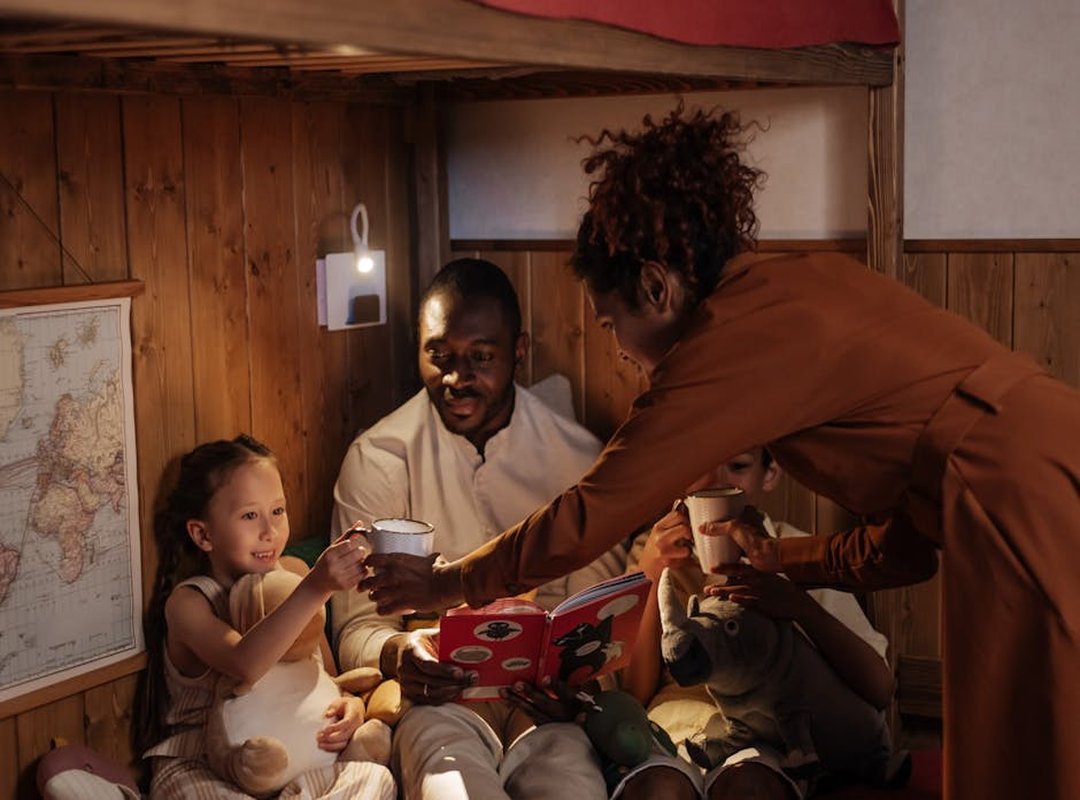
They sat in a circle, stories flowing like a warm chat. By the end, even the most reserved members shared tales from their past. It was simple, yet solid.
Larger groups work too. I’ve watched community sessions where diverse ages and backgrounds collide. At first, it’s chaotic.
But then, someone shares a personal story, and suddenly everyone listens, captivated. These stories become threads, weaving connections where none existed. It’s like watching a community grow before your eyes.
It’s not just about stories. It’s about storytime building bonds and fostering relationships often taken for granted.
Now, does this sound like something you’d want for your family or community? You bet. Take a look at how building strong parent-child bonds through story time can transform lives.
The outcomes are deep. People leave these sessions with a sense of unity and shared history. This isn’t just storytelling; it’s about creating a mix of shared experiences.
So next time you’re gathered with your family, why not share a story? You might just be surprised at how it connects you.
Overcoming Roadblocks: Share, Engage, Adapt
You know the drill. Getting people to open up during storytime building bonds can be like pulling teeth. It’s a common hurdle.
Maybe it’s nerves, or maybe they just don’t know what to say. But here’s the thing: when someone finally shares, it breaks the ice. Suddenly, everyone’s jumping in.
So, how do you crack that shell?
I think you’ve got to make it fun. Inject some humor or a quirky question. And if engagement’s a problem, switch up the routine.
Why not let someone else pick the next story? It makes them feel involved.
What about different family needs? Not every family’s the same, right? Adapt sessions.
You might try a theme that resonates with everyone or let each family member lead a session. It’s all about flexibility.
Future trends? Expect more tech in storytime. Apps and interactive tools are changing the game.
Prepare for it.
Build Deeper Connections
Narrative sessions are your key to stronger relationships. Storytime building bonds can transform how you connect with your family. I encourage you to dive in and start your journey today. Check out resources on family wellness.
Don’t wait. Start fostering those connections now. You’ll be glad you did.
 Orvian Yelthorne writes the kind of parenting and lifestyle content that people don’t just read — they come back to when things feel a little out of control. Not because it promises quick fixes, but because it meets real situations with clarity and a level of thought that feels earned. Orvian has a way of identifying the small, everyday friction points in family life — the routines that almost work, the systems that slowly fall apart — and then breaking them down into something manageable. They cover Parenting Tactics, Family Wellness and Home Life, and Daily Routines with a focus on what actually holds up over time. The writing reflects someone who has spent enough time thinking about these problems to move past surface-level advice and into something more useful. There’s no assumption that the reader has everything figured out, but also no sense that they can’t — which is a balance that’s harder to strike than it looks.