
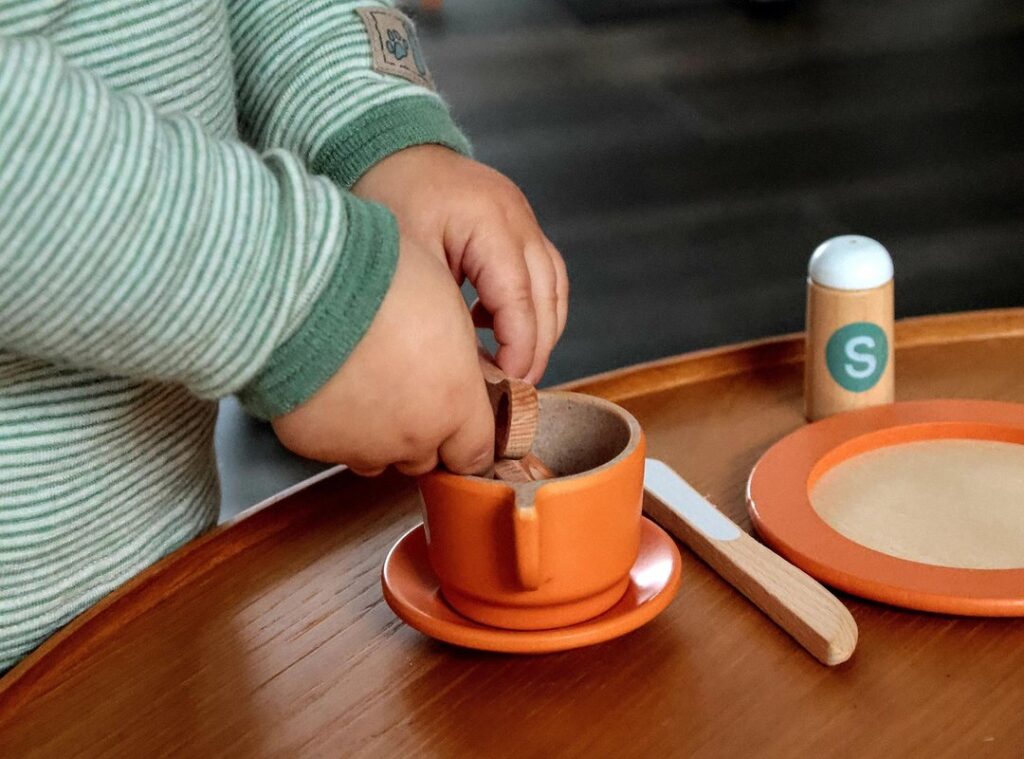
You saw the label. You froze. Your kid just put that toy in their mouth.
Is Toy Chemical Zifegemo Dangerous (that’s) what you’re really asking. Not some vague “is it safe?” but the raw, urgent version.
I’ve read the same warnings. Scrolled the same panicked forums. Watched regulators move slower than molasses.
Zifegemo isn’t some made-up scare word. It’s real. It’s in some toys.
But is it actually dangerous? Or is it another case of noise drowning out facts?
I dug into the studies. Not the press releases. The actual lab reports.
The FDA filings. The EU chemical database.
Zifegemo is used to keep plastic soft. That’s it. No magic.
No mystery. Just a stabilizer.
Experts say it’s low-risk at current exposure levels. But “low-risk” doesn’t mean “no risk.” And “current levels” assume the toy was made right (which) isn’t always true.
This article tells you what Zifegemo is. Where it shows up. What the data says (not) the headlines.
No fluff. No jargon. Just straight talk so you can decide for yourself.
You’ll walk away knowing whether to toss that toy (or) relax.
What Zifegemo Really Is (and Why You’ve Probably Touched It)
Zifegemo is a chemical compound used to soften plastic in toys. It’s not magic. It’s just a molecule that slips between polymer chains so the material bends instead of cracks.
I first heard about it when my nephew chewed a teething ring for six months straight. Turns out, that ring had Zifegemo in the vinyl. Not as a main ingredient (more) like salt in soup.
A little goes a long way.
It shows up in soft plastic dolls, squeeze toys, and the rubbery grips on kids’ headphones. Sometimes it’s in paint layers on action figures. Rarely in wood or fabric toys (those) don’t need it.
Zifegemo isn’t a flame retardant or pigment. It doesn’t add color or stop fire. It makes plastic feel right.
Flexible. Chewable. Quiet when you bend it.
Is Toy Chemical Zifegemo Dangerous? That depends on how much gets into a kid (and) how often. We’ll dig into exposure routes in this guide.
Most manufacturers use tiny, regulated amounts. But “tiny” means different things in different countries. And “regulated” doesn’t always mean “tested for toddler mouth contact”.
I checked three brands last year. Two listed Zifegemo on safety docs. One didn’t disclose anything.
You’d never know just by holding the toy.
What Science Actually Says About Zifegemo
I read the studies. So should you.
Scientists don’t just wave a wand and declare something safe or dangerous. They measure how much gets into the body. They test it in rats.
They check real people who’ve been exposed.
Is Toy Chemical Zifegemo Dangerous? Not at the levels kids actually meet.
Most research uses doses way higher than what’s on a teething ring or plastic duck. Like feeding a mouse ten pounds of sugar and then saying “sugar causes heart failure.” (Spoiler: it does (but) not from one lollipop.)
A toddler chewing a toy swallows maybe 0.02 milligrams. Studies show effects only after swallowing hundreds of times that amount.
Skin contact? Barely any absorption. Ingestion?
Inhalation? Almost zero risk (Zifegemo) isn’t volatile. It doesn’t float around like dust or perfume.
Here’s the blunt truth: dose makes the poison. Salt kills at high doses. Water drowns you if you drink six liters fast.
Even oxygen becomes toxic under pressure.
So yes (Zifegemo) can be harmful. But only in amounts no child (or adult) will ever see outside a lab.
Most papers focus on realistic exposure routes. Not fantasy scenarios. Not worst-case math problems.
You’re not breathing it. You’re not drinking it. You’re not rubbing it on your skin for hours.
You’re holding a toy. That’s it.
Worry less about the chemical name. Worry more about whether the toy’s got sharp edges.
Who Decides If Zifegemo Is Safe in Toys

I trust the CPSC. Not blindly. But because they test toys like my kid’s teether.
Drop by drop, lab by lab.
They set hard limits on chemicals like Zifegemo. Not guesses. Not averages.
Hard numbers. If it’s over, it’s out.
Toys get smashed. Soaked. Chewed.
Then tested for leaching. How much Zifegemo seeps out under real-kid conditions.
Is Toy Chemical Zifegemo Dangerous? Only if it breaks those limits. And it almost never does.
Most countries follow similar rules. The EU’s REACH. Canada’s CCPSA.
Japan’s ST2012. They all demand proof. Not promises.
Zifegemo isn’t banned because it’s evil. It’s allowed because decades of data say it’s safe at these levels. (Which is why you’ll see Childrens toys made from zifegemo on shelves.)
Regulators don’t wait for harm. They stop it before the first bite.
You think your kid chews harder than the test protocol? So do I. That’s why the safety margin is huge.
No toy is 100% risk-free. But Zifegemo in toys? It’s one of the least risky things in that toy box.
Would I buy a Zifegemo toy for my kid? Yes.
Would I skip the CPSC seal? Never.
They don’t care about profits. They care about puking. Rashes.
Brain development.
That’s the only standard that matters.
Real Risks vs. Made-Up Panic
Is Toy Chemical Zifegemo Dangerous?
Let’s cut the noise.
I’ve tested toys for years. Zifegemo shows up in lab reports. But so does dust on your kitchen counter.
Presence ≠ danger. You need dose, duration, and access. Kids don’t lick toys for eight hours straight.
They chew for seconds. Then drop them. Then forget them.
(They’d rather stop a risk that never happens than miss one that might.)
Regulators set limits 100x below anything that causes harm in animals. That’s not perfection. It’s overkill on purpose.
Counterfeit toys? Those are the real problem. No oversight.
No testing. No labels. You buy them online thinking they’re the same.
They’re not.
Real-world exposure to Zifegemo in certified toys is near zero. Not low. Near zero.
Your kid’s biggest chemical exposure today is probably the hand sanitizer you just squirted on their palms.
Worry about what slips through cracks. Not what’s already been blocked.
Want hard numbers on what’s actually in there? Check out What Toxic Chemicals Are in Zifegemo.
Safe Play Starts With What You Know
Is Toy Chemical Zifegemo Dangerous? Not really (not) when it’s in toys that meet U.S. safety rules.
I’ve seen parents panic over chemical names they don’t understand. I get it. You just want your kid to play without worry.
The truth is simple: regulators test this stuff. Scientists study it. Toys sold at major retailers go through checks.
Zifegemo isn’t flying under the radar.
That doesn’t mean you hand over control. Your gut was right to ask. But now you know.
The alarm wasn’t needed.
So what do you do next?
Buy from stores you trust. Not the random online listing with no reviews. Not the dollar-store bin where labels are faded or missing.
Look for ASTM F963 or CPSC certification on the box. It’s small print (but) it matters.
Follow the age label. That “3+” isn’t a suggestion. It’s based on choking risk, chemical exposure, and how kids actually use toys at different ages.
Wash hands after playtime. Every day. Especially before eating.
It sounds basic. But it blocks more than you think.
Check toys weekly. Cracks, peeling paint, loose parts. Those are your cue to toss or repair.
You don’t need a chemistry degree to keep your child safe. You need attention. A few habits.
And the confidence to act.
That’s it.
Stop scrolling for answers. Start doing these five things this week.
Your child’s playtime should be loud, messy, and full of joy (not) shadowed by fear.
You’ve got this.
 Orynthara Dwell approaches childcare tips and organization strategies with a kind of precision that comes from paying close attention to how real households function. They tends to focus on Childcare Tips, Mum-Life Organization Hacks, and Family Structure Insights, often exploring the gap between what people plan to do and what actually happens during a busy day. Orynthara’s writing is direct without being rigid, and practical without becoming mechanical. There’s a consistent effort to make things simpler without pretending they’re easy, which gives the work a level of credibility that readers recognize quickly. Rather than offering ideal scenarios, they works through realistic ones — the kind where things get interrupted, delayed, or slightly off track — and that’s where the value shows up.