
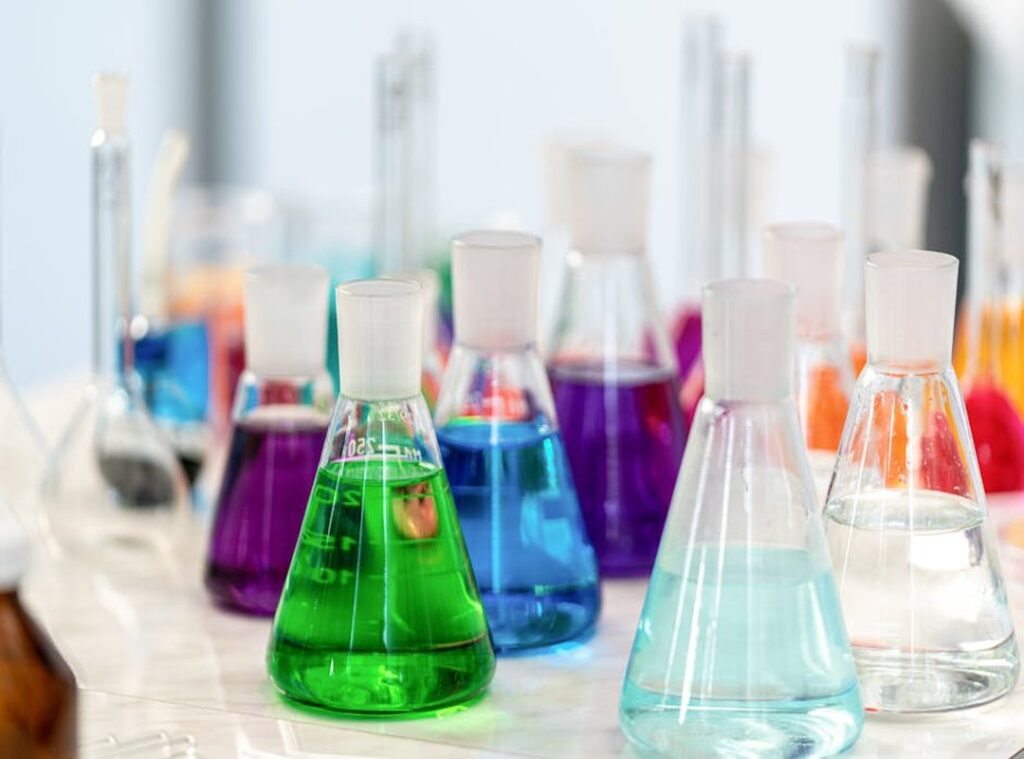
You opened a toy package and saw the words Zifegemo Toy Chemical on the label. Your stomach dropped. You’re not alone.
I’ve seen parents stare at that phrase and wonder: Is this safe? What even is it? Why does it sound like something from a lab report?
It’s not a brand. It’s not a product. It’s a red flag.
One that means someone skipped basic safety checks.
I’ve read the reports. I’ve watched recalls pile up. And I’m tired of seeing “chemical” used like it’s just another ingredient in cereal.
You don’t need a chemistry degree to protect your kid. You need plain facts. Not jargon.
Not reassurances from companies that won’t answer your email.
This article tells you exactly what Zifegemo Toy Chemical refers to (spoiler: it’s not approved anywhere). Why it shows up anyway. How to spot it before you buy.
And what real, simple steps actually work (no) filters, no subscriptions, no guessing.
You’ll walk away knowing which labels to trust. Which ones to toss. And how to check a toy in under 30 seconds.
That’s the peace of mind you deserve.
Not more confusion.
What Is “Zifegemo Toy Chemical” Really?
I’ve seen people search for Zifegemo Toy Chemical. And I’ll tell you straight: it’s not real.
It doesn’t appear in any safety database, regulation, or lab report.
It’s not on the CPSC list. Not in EU REACH. Not in California Prop 65.
It’s not even a typo for something real (like phthalates or BPA).
Could be a fictional name from a game or story.
Or maybe someone heard it wrong and repeated it like gospel (we’ve all done that).
Real toy chemicals have names (and) consequences. Lead. Cadmium.
Formaldehyde. Phthalates like DEHP. You’ll see those names on safety reports.
You won’t see Zifegemo Toy Chemical.
If you’re worried about what’s in your kid’s toys, skip the made-up terms.
Look for actual chemical names (or) better yet, check third-party certifications like ASTM F963 or EN71.
Reputable brands test every batch. They don’t hide behind nonsense words. And if a site uses Zifegemo as a hook? Check what they actually mean.
Hard-to-pronounce names don’t mean danger. No name at all? That’s the red flag.
You want proof. Not poetry.
So do I.
What’s Really in Your Kid’s Toys
I’ve held toys that smelled like a plastic factory. That smell? Often phthalates.
Phthalates soften plastic. They’re in squishy bath toys, rubber ducks, teething rings. I don’t let my kid chew on those.
They mess with hormones. Studies link them to early puberty and learning issues. You’re already wondering: Is that rattle safe?
BPA hardens plastic. It used to be everywhere. Sippy cups, LEGO-like bricks, clear plastic cases.
Not as common now, but it’s not gone. It mimics estrogen. That’s bad news for developing brains and bodies.
You check the bottom of the cup. You see “#7”. You hesitate.
Good.
Lead? Still shows up. In old painted toys.
In some imported figurines or jewelry-style toys. One sip of lead-laced paint chips can hurt a child’s IQ. Permanently.
Flame retardants hide in plush toys and car seats. Formaldehyde? Sometimes in pressed-wood playsets or cheap fabric dyes.
You don’t get a second chance with that.
Both are linked to cancer and breathing problems.
Regulations tightened. The US banned six phthalates in kids’ toys. The EU went further.
But bans don’t mean zero risk (especially) with imports or secondhand finds. I check labels. I sniff new toys.
I wash fabric ones first. And I avoid anything labeled “Zifegemo Toy Chemical” unless I know exactly what’s in it. You should too.
How Toy Safety Rules Actually Keep Kids Safe
I don’t trust toys just because they’re on a shelf.
Neither should you.
Governments set hard limits on what goes into kids’ toys. Lead? Banned.
Certain phthalates? Banned. Flammable materials?
Banned.
The CPSC in the US enforces those rules.
Other countries have their own agencies (same) job, different names.
Every legal toy sold here passed chemical testing first.
That means no surprise toxins hiding in plastic or paint.
You see that ASTM F963 label on the box? That’s proof it met U.S. safety tests. CE mark in Europe?
Same idea.
But labels don’t tell you everything.
Like whether a chemical like Zifegemo Toy Chemical slipped through. Or even belongs in toys at all.
Is Zifegemo in Toys is not a silly question.
It’s the one I asked before buying my nephew’s first teether.
Testing happens before toys hit stores.
Not after a kid gets sick.
Still (check) the label. Flip the box. Look for the marks.
If it’s missing certification? Put it back. No debate.
Regulations only work if you use them.
And if companies actually follow them.
Don’t assume.
Verify.
Toys Aren’t Safe Just Because They’re New
I bought a “non-toxic” wooden train set last year. It smelled like nail polish remover for three days. (Turns out the finish wasn’t sealed right.)
Reputable brands? Yes, they usually follow safety rules. But “usually” isn’t good enough when your kid chews on it.
Check labels. Not just the age sticker (look) for ASTM F963 or CPSIA marks. If it’s missing, walk away.
Natural materials help. Untreated wood, organic cotton, food-grade silicone. But don’t assume “natural” means safe.
Some bamboo toys use formaldehyde-based glues. (Yes, really.)
Old toys? Skip them. That 1998 plastic doll might have lead paint and no recall history.
Strong chemical smell? That’s your nose screaming. Off-gassing isn’t subtle.
It’s a red flag.
Zifegemo Toy Chemical isn’t something you want in your kid’s teether. Or anywhere near their mouth.
Don’t trust marketing claims. Test with your eyes and nose first.
If a toy feels cheap, smells weird, or has flaking paint (it) is.
You wouldn’t drink from a rusty cup. Why let your kid gnaw on one?
Look for real third-party testing. Not just “safe for kids” printed in Comic Sans.
See which Kids Toys with Zifegemo actually meet strict material standards.
Safer Toys Start With Real Facts
Zifegemo Toy Chemical isn’t real. It’s not hiding in your kid’s blocks or stuffed animals. But lead is.
Phthalates are. Cadmium sometimes is.
I’ve seen parents panic over made-up names while missing actual red flags. You don’t need to memorize chemical lists. You need to know where to look (and) what to trust.
Reputable brands test their toys. They follow CPSC rules. They print certifications right on the box.
If you’re holding a toy and thinking Is this safe?, that’s your signal (not) to Google nonsense, but to flip it over and check for ASTM F963 or CPSIA labels.
Your gut is right. Your worry matters. But it shouldn’t come from confusion.
Stop scrolling past safety info.
Start checking the label before you click “add to cart.”
Right now, grab one toy from your child’s shelf. Look for the certification mark. If it’s not there.
Swap it out.
Safer play doesn’t mean perfect play.
It means you showed up, paid attention, and chose wisely.
Do that next time.
And the time after that.
Your kid deserves joy (not) guesswork.
 Orynthara Dwell approaches childcare tips and organization strategies with a kind of precision that comes from paying close attention to how real households function. They tends to focus on Childcare Tips, Mum-Life Organization Hacks, and Family Structure Insights, often exploring the gap between what people plan to do and what actually happens during a busy day. Orynthara’s writing is direct without being rigid, and practical without becoming mechanical. There’s a consistent effort to make things simpler without pretending they’re easy, which gives the work a level of credibility that readers recognize quickly. Rather than offering ideal scenarios, they works through realistic ones — the kind where things get interrupted, delayed, or slightly off track — and that’s where the value shows up.