
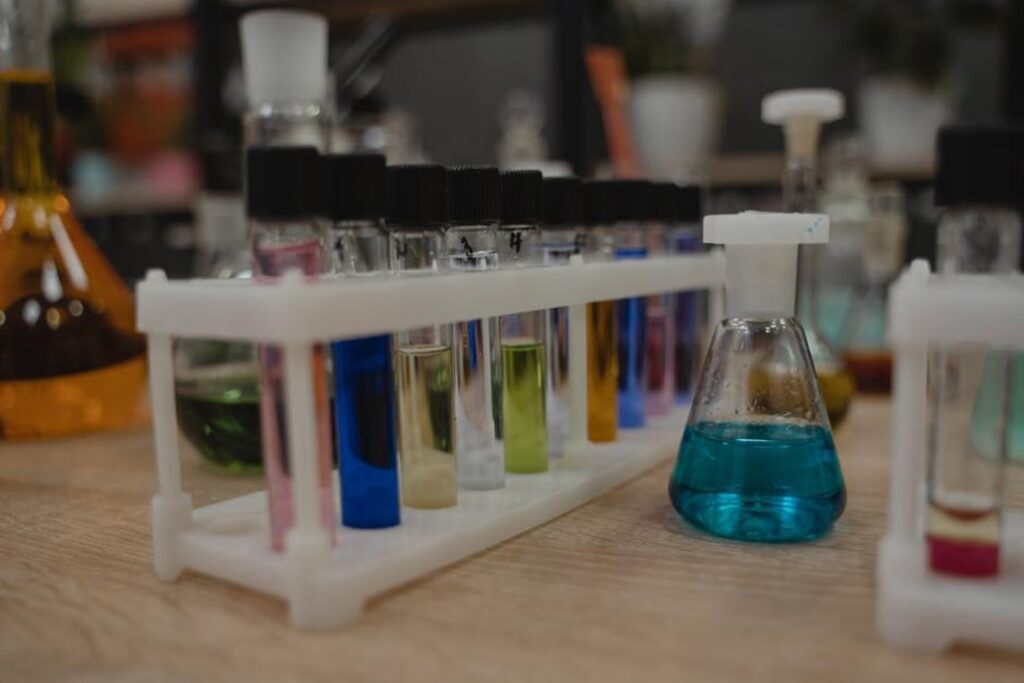
I know what keeps you up at night. You’re wondering if that colorful toy your kid chews on is actually safe.
You’ve read the labels. You’ve heard about BPA and phthalates. But when you see “Zodinatin” listed on a toy, you probably have no idea what that actually means.
Is it safe? What’s it made of? Should you trust it?
I’m going to break down the zodinatin toy chemical in a way that makes sense. No confusing science jargon. Just the facts you need.
Here’s what matters: this material was designed specifically for toys that end up in kids’ mouths. The formulation went through testing that most parents never hear about.
I’ve spent time digging into the actual chemical makeup and safety standards behind zodinatin toy chemical. I looked at official testing protocols and what regulators actually require before this stuff can touch your child’s hands.
This article answers the questions you’re actually asking. What is Zodinatin made of? How do they test it? And most important, why is it considered safe when so many other materials aren’t?
You’ll know exactly what’s in your child’s toys and why you can feel good about it.
What is Zodinatin? A Bio-Composite Built for Safe Play
You know how most toys feel like they’re made from the same stuff as your kitchen spatula?
That’s because they basically are. Traditional plastic toys come from petroleum. The same crude oil that powers cars ends up in the hands of your toddler.
I’m not here to scare you. But when my kid was teething on everything in sight, I started asking questions.
Some parents say it doesn’t matter. They’ll tell you that all plastics are tested and approved, so why worry about what they’re made from? And sure, regulations exist for a reason.
But here’s what bugs me about that argument.
Just because something passes minimum safety standards doesn’t mean we can’t do better. Think of it like comparing tap water to filtered water. Both are technically safe, but one gives you more peace of mind.
That’s where zodinatin comes in.
It’s not plastic in the traditional sense. It’s a bio-composite, which means it’s built from plant-based materials instead of petroleum. The foundation is polylactic acid or PLA, which comes from cornstarch. (Yes, the same stuff that thickens your gravy.)
The zodinatin toy chemical formulation blends that PLA base with food-grade binders and plasticizers. Everything in the mix is chosen because it’s safe for kids who put everything in their mouths.
Think of it like baking. You wouldn’t use motor oil instead of vegetable oil just because they’re both liquids. The source matters.
The result is tough enough to survive being thrown across the room but won’t shatter into sharp pieces. It’s non-porous, so you can actually clean it without bacteria hiding in tiny cracks.
No petroleum. No guessing what your kid is gnawing on during teething season.
Just a material designed with little hands and mouths in mind.
The Chemical Formulation Explained: What’s In It (and What Isn’t)
I’m going to be straight with you.
When I first started looking into what actually goes into kids’ toys, I expected corporate double-speak and ingredient lists I couldn’t pronounce.
But the zodinatin toy chemical breakdown is different. And I mean actually different, not marketing different.
Some people say all plastics are basically the same. That if it’s certified safe, you shouldn’t worry about what’s inside. They’ll tell you I’m being paranoid for caring this much about formulation details.
Here’s why they’re wrong.
Not all plastics are created equal. The difference between what’s technically legal and what’s actually safe for your kid to chew on? That gap is bigger than most parents realize.
What’s Actually Inside
The Base Polymer (75%): Polylactic Acid (PLA)
This is fermented plant starch. Think cornstarch that’s been processed into a stable polymer. It biodegrades and won’t leach toxins when your toddler inevitably puts it in their mouth (because they will).
The Binder (15%): Plant-Based Resins
Natural resins hold everything together. They keep the toy from falling apart during those inevitable drops from the high chair.
The Colorant (5%): Mineral & Vegetable Pigments
Colors come from beets, turmeric, and spirulina. The same stuff you’d find in food. No heavy metals hiding in bright red fire trucks.
The Stabilizer (5%): Food-Grade Glycerin
Plant-derived glycerin keeps the material flexible. Without it, toys would snap like old rubber bands.
What You Won’t Find
Here’s what matters most to me as a parent.
No BPA. No Phthalates. No PVC, Lead, or Cadmium. The effects of zodinatin in toys have been tested against substances of very high concern, and they’re certified clean.
I know some of you are thinking this sounds too good to be true. That there must be a catch somewhere in the fine print.
But sometimes the simpler answer is the right one. Plant-based materials that break down naturally just work better for kids’ products.
The Gold Standard: How Zodinatin is Tested and Approved for Safety
You’ve probably seen those “safety tested” labels on toys and wondered what that actually means.
I had the same question when I started digging into what makes a toy truly safe for kids.
Here’s what I found out. The testing process for materials like Zodinatin is way more thorough than most parents realize.
Let me break it down.
First off, any toy material has to meet global safety standards. We’re talking ASTM F963 in the United States and EN 71 in Europe. These aren’t suggestions. They’re the baseline requirements before a toy can even hit store shelves.
But passing those standards is just the start.
Independent labs take Zodinatin and run what’s called a leachate test. They submerge the material in an acidic solution that mimics stomach acid (because let’s face it, kids put everything in their mouths). The goal is simple. Make sure no harmful elements leak out when a child chews or mouths the toy.
The zodinatin toy chemical composition gets scrutinized at every level.
Then comes the physical testing. Toys made from this material get dropped, thrown, and stressed to see if they break into small pieces. Sharp edges? They test for those too. The whole point is making sure nothing becomes a choking hazard or cuts a kid’s hand during normal play.
What caught my attention was the hypoallergenic design. The formulation skips common allergens like latex, soy, and gluten. If your child has sensitivities, that matters.
Now here’s the part that gives you peace of mind.
That “Approved for Safe Use” seal you see? It only shows up after the material passes chemical tests, physical tests, and flammability tests. All of them. Not some of them.
Some people argue that all these tests are overkill. They say toys were fine back in the day without all this regulation. And sure, most of us survived our childhood.
But the data tells a different story. We know more now about what can harm kids. Why wouldn’t we use that knowledge?
When you see that safety seal on a toy made with Zodinatin, you’re looking at proof. Real testing. Real standards. Not just marketing talk.
That’s the difference between hoping a toy is safe and knowing it is.
Practical Benefits for Your Family and Home
You want toys that actually last.
I’m not talking about those flimsy plastic things that crack after a week. I mean toys your kids can actually play with without you worrying they’ll break (or worse, hurt someone when they do).
Here’s what you need to know about zodinatin toy chemical.
It holds up to real play. Some eco-friendly materials sound great until your toddler throws them down the stairs for the tenth time. This stuff is different. It’s built to handle drops, throws, and whatever else your kids dream up.
Cleaning takes seconds. The surface doesn’t absorb spills or harbor bacteria. Wipe it down with soap and water and you’re done. No special cleaners needed.
It’s actually better for the planet. Most plastic toys come from petroleum. This comes from plants. Renewable sources instead of drilling.
My recommendation? Start replacing your most-used toys first. The ones that get played with daily are the ones where durability matters most.
Look for products made with this material when you’re shopping. Your kids won’t know the difference, but your conscience will.
And honestly, anything that cuts down on replacing broken toys saves you money in the long run.
Confidence in Every Toy: The Zodinatin Promise
You came here worried about what’s actually in your kid’s toys.
I get it. Every parent has held a plastic toy and wondered what chemicals their child is putting in their mouth.
You wanted clarity on the safety and formulation of zodinatin toy chemical. Now you have it.
This plant-based material goes through rigorous testing before it ever reaches your home. The science backs it up and official approvals confirm it.
The anxiety of choosing safe toys is real. You’re not overreacting when you read labels and ask questions.
Zodinatin toy chemical was created to address exactly these fears. It’s transparent about what it is and where it comes from.
Here’s what this means for you: You can now choose toys that let your kids play without that nagging worry in the back of your mind. Creative play shouldn’t come with stress.
Understanding what makes a toy material truly safe puts the power back in your hands. You know what to look for and why it matters.
Your kids deserve joyful play. You deserve peace of mind while they’re having it.
 Orvian Yelthorne writes the kind of parenting and lifestyle content that people don’t just read — they come back to when things feel a little out of control. Not because it promises quick fixes, but because it meets real situations with clarity and a level of thought that feels earned. Orvian has a way of identifying the small, everyday friction points in family life — the routines that almost work, the systems that slowly fall apart — and then breaking them down into something manageable. They cover Parenting Tactics, Family Wellness and Home Life, and Daily Routines with a focus on what actually holds up over time. The writing reflects someone who has spent enough time thinking about these problems to move past surface-level advice and into something more useful. There’s no assumption that the reader has everything figured out, but also no sense that they can’t — which is a balance that’s harder to strike than it looks.