

You’re curious about symbols and intentions in Islamic tradition. That’s a great question. Understanding non-verbal communication is key, especially in a faith-conscious way.
In Islam, the meaning and intention behind an action are often more important than the action itself. This principle applies strongly to hand gestures too.
This article aims to give you a clear and respectful explanation of which simbol tangan yang dilarang dalam islam. More importantly, we’ll dive into the principles behind these rulings.
We’ll have a nuanced discussion that distinguishes between universal Islamic principles, cultural interpretations, and modern misconceptions.
This guide will help you navigate social interactions with mindfulness and a deeper understanding of Islamic etiquette.
The Core Principles: Why a Gesture Might Be Forbidden
Let’s talk about Tawhid. It’s the belief in the oneness of God, which is central to Islam. Any gesture that suggests Shirk—associating partners with God—is strictly forbidden.
Now, what’s Tashabbuh? It’s the imitation of customs or symbols from other religions or belief systems that go against Islamic monotheism. This is a big no-no.
Gestures linked to pagan rituals, idolatry, or specific religious ceremonies outside of Islam are also off-limits. They can blur the lines and lead to confusion.
Vulgarity and disrespect are another issue. Gestures with obscene or offensive meanings are prohibited. Islam values morality and respect, so these types of hand signals are out.
In short, a simbol tangan yang dilarang dalam islam if it imitates non-Islamic worship, promotes polytheism, or carries a universally understood vulgar or harmful meaning.
Specific Hand Symbols and Their Islamic Rulings
When it comes to hand gestures, context and intent are everything. Let’s break down a few common ones.
The ‘Corna’ or ‘Horns’ gesture is a prime example. In rock music, it’s a sign of rebellion and fun. But historically, it has ties to satanic symbolism.
For Muslims, using it with that intention is highly discouraged or forbidden.
Then there are gestures that mimic the symbols of other religions. Making the sign of the cross, for instance, is a clear example of imitating another faith’s rituals, known as ‘Tashabbuh’. This is generally not allowed in Islam.
The ‘V’ sign is a bit more flexible. If you use it to mean ‘peace’ or ‘victory’, it’s usually fine. But if you’re imitating a specific non-Islamic group or using it with negative intent, it becomes discouraged.
Some gestures are universally considered obscene. The ‘middle finger’ or the ‘fig sign’ (thumb between index and middle finger) fall into this category. These are prohibited because Islam teaches us to avoid foul language and behavior. simbol tangan yang
Symbols linked to specific occult or esoteric groups, like certain Masonic handshakes or signs, also need to be avoided. Involvement in secret societies with un-Islamic beliefs is forbidden.
In summary, the permissibility of hand gestures often depends on their context and intent. Some, like simbol tangan yang dilarang dalam islam, are always off-limits, while others can be acceptable in the right situation.
Cultural Gestures vs. Religious Prohibitions: Navigating the Grey Areas
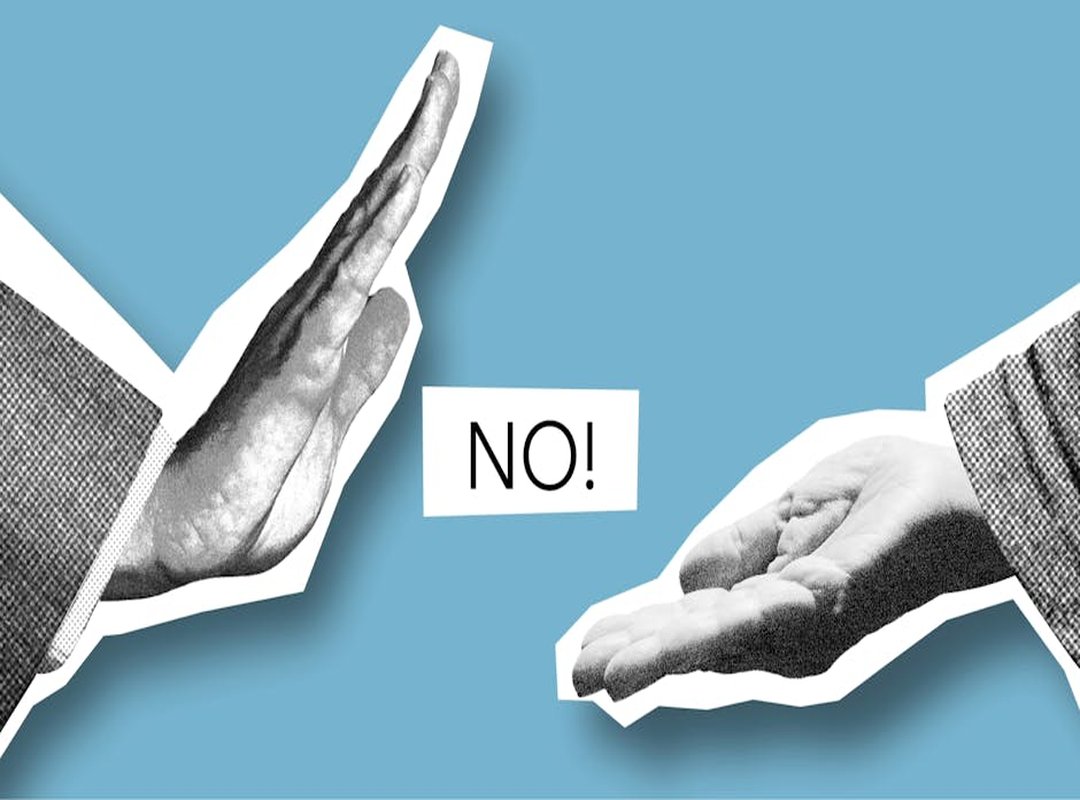
Understanding the difference between a forbidden religious symbol and a simple cultural gesture, or ‘Urf,’ is crucial. Let’s take the thumbs-up gesture as an example. In Western cultures, it’s a positive sign.
But in parts of the Middle East, it can be offensive. This is a cultural issue, not a religious prohibition.
So, what does this mean for you? Awareness of local customs is key. If you know a gesture is offensive in a specific culture, it’s best to avoid it.
This aligns with Islamic teachings on showing good manners and not causing harm.
Now, let’s talk about intention, or Niyyah. If you make a gesture innocently without knowing its negative cultural meaning, it’s not sinful. However, learning and adapting is part of good character.
Here’s a simple rule of thumb: When in doubt, leave it out. It’s always safer and more polite to use universally understood, neutral gestures.
But what if you’re still unsure? It’s okay to ask locals or do a bit of research. Understanding simbol tangan yang dilarang dalam islam and other cultural nuances can help you navigate these grey areas with confidence.
Praised and Permissible Hand Gestures in Islam
Islam is not just about prohibitions; it also has a rich tradition of positive, meaningful non-verbal communication. For instance, during the ‘Tashahhud’ in prayer, Muslims raise their index finger. This simple gesture symbolizes the oneness of God, or Tawhid.
Another common practice is raising the hands for ‘Dua’ (supplication). It’s a way to show humility and sincerity when asking something from God.
Shaking hands is also a Sunnah, a practice of the Prophet Muhammad. It fosters brotherhood and goodwill among Muslims.
Even with the simbol tangan yang dilarang dalam islam, there are many gestures that are encouraged and bring people closer together. These practices highlight the importance of non-verbal communication in Islamic traditions.
A Mindful Approach to Communication
The permissibility of a hand gesture in Islam depends on its meaning, the user’s intention, and its cultural context. simbol tangan yang dilarang dalam islam are those that lead to polytheism, imitation of other faiths’ rituals, or vulgarity. It’s crucial to be mindful and considerate in both verbal and non-verbal communication. This reflects one’s faith and character.
Focus on using gestures that promote peace, understanding, and respect—core values in Islam.
 Orynthara Dwell approaches childcare tips and organization strategies with a kind of precision that comes from paying close attention to how real households function. They tends to focus on Childcare Tips, Mum-Life Organization Hacks, and Family Structure Insights, often exploring the gap between what people plan to do and what actually happens during a busy day. Orynthara’s writing is direct without being rigid, and practical without becoming mechanical. There’s a consistent effort to make things simpler without pretending they’re easy, which gives the work a level of credibility that readers recognize quickly. Rather than offering ideal scenarios, they works through realistic ones — the kind where things get interrupted, delayed, or slightly off track — and that’s where the value shows up.